
Agri-TechAgricultureHarvestProtectionSeeds
The shift in global agribusiness towards a high-tech, sustainability-driven model is most visible in the grain belts of South America. As the world population continues to grow, the demand for stable, calorie-dense crops has never been higher, placing a massive responsibility on major producers to balance yield with environmental health. Today, the conversation is no longer just about how much we can grow, but about how we can protect the soil and the climate while doing it. This evolution is transforming the landscape of modern farming into a space where satellite data and biological soil restoration are as essential as the seeds themselves.
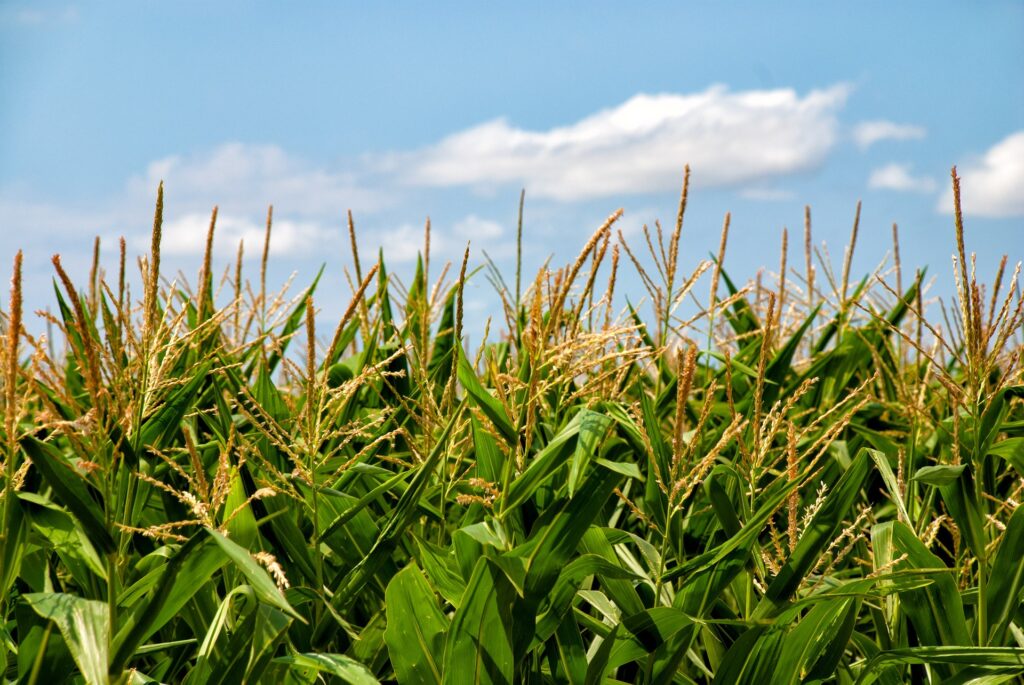
Brazil has become the undisputed leader in this field, particularly when it comes to the “big four” grains: soybeans, corn, rice, and beans. The numbers for the 2025-2026 harvest cycle are staggering, with soybean production projected to hit a record 177 to 178 million metric tons. This isn’t just about sheer volume; it is about efficiency. Brazil now supplies over 50% of the world’s soybean trade, a feat achieved through a unique tropical adaptation that allows for “double cropping.” Farmers can harvest a full crop of soybeans and immediately plant a second crop of “safrinha” corn on the same land, effectively doubling the food output without cutting down a single new tree.
From a social perspective, these grain cycles are the lifeblood of thousands of Brazilian municipalities. The sector is a massive employer, but the real impact is seen in the modernization of rural life. New initiatives are connecting small-scale bean and rice farmers with the same high-end technology used by large exporters. Since beans and rice are the fundamental staples of the Brazilian diet, ensuring these farmers have access to sustainable credit and technical aid is a matter of national food security. By stabilizing the income of these rural families, the agribusiness sector helps reduce urban migration and strengthens local economies from the ground up.
Environmental sustainability is being hard-coded into the DNA of grain production through the ABC+ Plan (Low Carbon Agriculture). One of the most successful methods being used is the No-Till System (Sistema Plantio Direto), which is now applied to over 39 million hectares. Instead of plowing the earth, farmers leave the stalks and leaves from the previous harvest to rot naturally, creating a protective “carpet” for the soil. This prevents erosion, keeps moisture in the ground—even during the dry spells we’ve seen recently in the South—and turns the fields into massive carbon sinks that trap CO2 instead of releasing it.
The integration of technology is where things get truly impressive. High-precision agriculture is now standard for most grain producers, using GPS-guided planters and drones equipped with multispectral cameras. These tools allow a farmer to see exactly which square meter of a 1,000-acre field needs a little more nitrogen or a bit less water. By using these “smart” applications, the industry has managed to increase grain yields by nearly 30% over the last decade while actually reducing the per-ton carbon footprint. It’s a surgical approach to farming that treats the land with the respect it deserves.
Another massive leap forward is the Integrated Crop-Livestock-Forestry (ICLF) system, which has already recovered over 26 million hectares of what used to be degraded, useless pasture. By rotating grains like corn or soybeans with cattle grazing and rows of planted trees, farmers are creating a “vertical” ecosystem. The trees provide shade for the animals and wind protection for the crops, while the cattle manure naturally fertilizes the soil for the next grain cycle. This method is so effective that it can sequester enough carbon to offset the emissions of the entire operation, making “carbon-neutral grain” a reality rather than a goal.
Looking ahead, the future of feeding the planet depends on this blend of Brazilian scale and cutting-edge conservation. The goal for 2030 is to expand these sustainable integrated systems to nearly 30 million hectares, further cementing the country’s role as a reliable, green supplier. By focusing on the health of the microbiome in the soil and the precision of the harvest, the grain industry is proving that we don’t have to choose between a full plate and a healthy planet. It is a sophisticated, high-stakes balancing act that is setting the standard for the rest of the world to follow.